
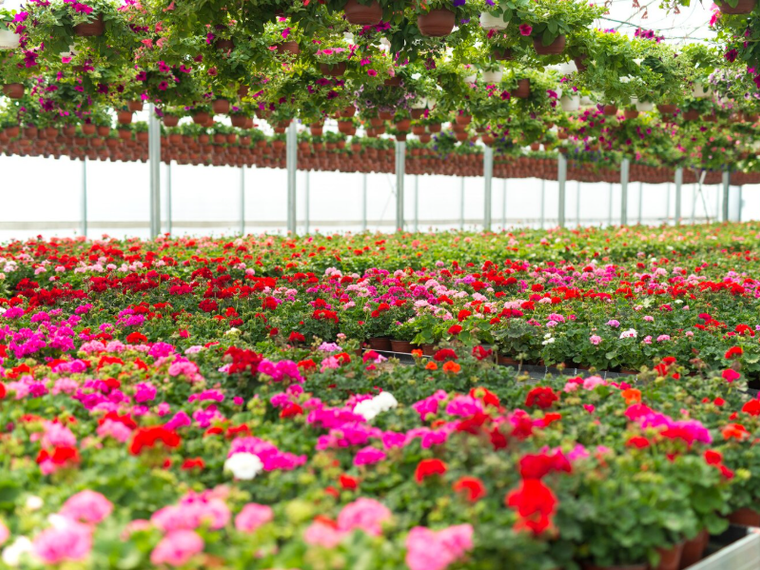
Colorful foliage can completely change the feel of a garden. Bright leaves bring energy to quiet corners and can make an ordinary planting area much more interesting. Too many bold plants competing for attention can also make a garden look messy instead of beautiful.
By choosing the right spot, using green foliage as a background, and giving colorful plants enough space, you can create a display that feels lively without becoming overwhelming.
Start With The Right Spot
Before adding a colorful plant, look carefully at the area where you want to place it. Think about how much sunlight reaches the spot and whether nearby plants are already filling the space. A bold plant needs enough room to be noticed.
If it gets hidden behind taller foliage, its colors may not have much effect. On the other hand, placing it in an already crowded area can make everything look too busy. A colorful plant beside a plain wall, pathway, or simple group of green leaves may stand out beautifully.
Let Green Do The Work
Green foliage may seem ordinary, but it can make colorful plants look much more impressive. Think of it as the quiet background that lets the main attraction shine. Dark green leaves can create a strong contrast with brighter foliage, while softer green shades can keep the overall look more relaxed.
Using plenty of simple greenery also gives the garden a more natural appearance. If every plant has bright or patterned leaves, nothing feels special anymore. A little restraint can actually make your favorite plants stand out more.
Try Red Flash Caladium
Red flash caladium can bring a strong splash of color to a garden bed or container. Its bold foliage can work especially well when you want one plant to become a clear focal point. Try placing it beside calmer green foliage rather than surrounding it with several other colorful plants.
This gives the leaves enough visual space and prevents the area from becoming too loud. It can also work well in a container where you have more control over its surroundings. Choose simple companion plants that do not compete with its appearance.
Use Containers For Easy Changes
Containers make experimenting with bold foliage much easier. You can place a colorful plant in a pot, see how it looks, and move it somewhere else if the arrangement does not feel right. This is especially useful when you are unsure where a strong color will work best.
Try grouping one colorful container with two simpler plants rather than creating a whole collection of bright pots. You can also move containers when sunlight changes throughout the year or when the garden needs a small refresh.
Know When Its Enough
Adding more colorful plants is not always the best way to improve a garden. Once you have one or two strong focal points, give them room to do their job. Leave some areas green or open so the eye has somewhere to rest.
If you repeat a color in another part of the garden, do it thoughtfully rather than placing the same bright shade everywhere. A garden can have plenty of personality without looking like a paint box exploded in it.
