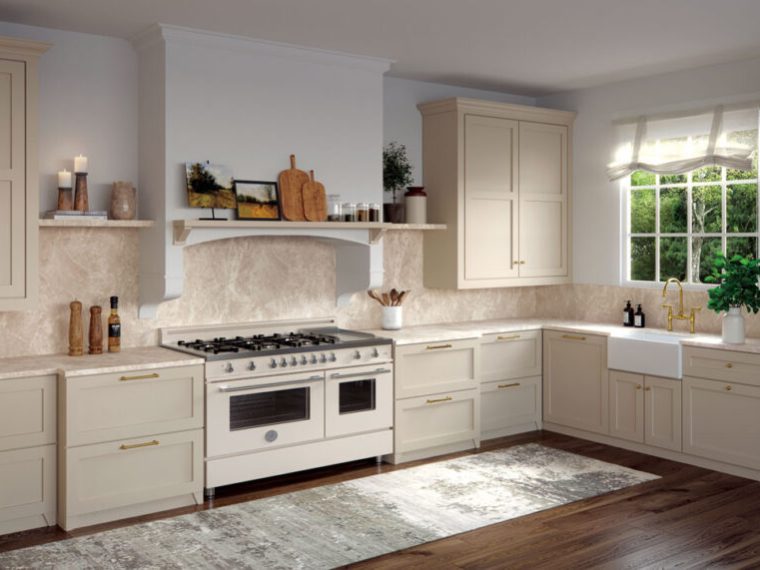
The demand for high-performance interior finishing surface products is reshaping how architects, designers, and builders approach modern spaces. From residential homes to commercial environments, these materials are no longer just decorative layers they define durability, hygiene, sustainability, and long-term value. As design expectations evolve in 2026, interior finishing surface products are becoming central to both functionality and aesthetics.
Leading manufacturers like Hyundai L&C are setting new benchmarks in this category by developing advanced engineered surfaces that balance performance with design flexibility. Their innovations reflect the growing global demand for materials that perform under pressure while maintaining visual appeal.
In this guest post, we explore how interior finishing surface products are transforming modern construction, what trends are shaping the industry, and how professionals can make informed decisions when selecting materials.
What Are Interior Finishing Surface Products?
Interior finishing surface products refer to the visible and functional materials applied to interior structures such as walls, countertops, ceilings, flooring, and furniture surfaces. These materials serve both protective and aesthetic roles.
Common examples include:
- Solid surface materials
- Engineered quartz
- Laminates and high-pressure decorative panels
- Acrylic-based surfacing
- Decorative wall cladding systems
Unlike structural components, these products are chosen for their ability to enhance design while withstanding daily wear and environmental stressors such as moisture, heat, and abrasion.
Modern interior finishing surface products are engineered to deliver:
- Enhanced durability
- Easy maintenance
- Hygienic properties
- Design versatility
- Moisture and stain resistance
These characteristics make them essential in kitchens, bathrooms, healthcare facilities, hospitality spaces, and commercial interiors.
Why Interior Finishing Surface Products Matter in Modern Construction
The role of interior finishing surface products has evolved significantly over the past decade. Today, they are not just finishing touches they directly influence building performance and user experience.
1. Functional Performance
High-quality surface materials must withstand heavy usage without degrading. This includes resistance to scratches, heat, chemicals, and moisture exposure.
2. Aesthetic Consistency
Modern architecture demands seamless design flow. Interior surfaces contribute to visual continuity across spaces, enhancing the overall design language.
3. Health and Hygiene
Non-porous materials help prevent bacterial growth, making them ideal for kitchens, hospitals, and public facilities.
4. Long-Term Value
Durable interior finishing surface products reduce maintenance costs and extend the lifespan of interiors, improving return on investment for property owners.
Manufacturers such as Hyundai L&C continue to innovate in this space by combining material science with design intelligence to meet evolving market needs.
Key Categories of Interior Finishing Surface Products
Understanding the major categories of interior finishing surface products helps professionals choose the right solution for each application.
Wall Cladding Systems
Wall panels and cladding materials are widely used in both residential and commercial interiors. They provide protection against wear while offering endless design possibilities such as stone textures, matte finishes, or high-gloss surfaces.
Countertop Surfaces
Countertops require high durability due to constant exposure to heat, liquids, and physical impact. Engineered quartz and solid surface materials are among the most popular choices.
Flooring Solutions
Interior flooring surfaces must balance strength with comfort and visual appeal. Options range from luxury vinyl tiles to engineered stone composites.
Decorative Panels
These are used for cabinetry, furniture, and feature walls. They allow designers to experiment with color, texture, and pattern without compromising durability.
Each category plays a critical role in shaping the functionality and aesthetics of interior environments.
Innovation in Interior Finishing Surface Products by Hyundai L&C
Innovation is at the core of the modern surfacing industry. Hyundai L&C has become a key contributor to this transformation by developing advanced interior finishing surface products that integrate technology, sustainability, and design flexibility.
Their product philosophy focuses on:
- Engineered durability for high-traffic environments
- Non-porous, hygienic surface structures
- Wide design portfolios inspired by natural materials
- Consistent quality control and performance standards
By investing in research and material innovation, Hyundai L&C helps architects and designers achieve both creative freedom and technical reliability in interior projects.
2026 Design Trends Shaping Interior Finishing Surface Products
As we move further into 2026, several design trends are influencing the evolution of interior finishing surface products.
1. Natural Aesthetic Replication
Surfaces that mimic natural stone, marble, and wood continue to dominate design preferences. However, engineered materials now offer more consistency and durability than natural counterparts.
2. Seamless Minimalism
Designers are favoring smooth, uninterrupted surfaces with hidden joints and uniform textures to create calm, modern environments.
3. Sustainable Material Choices
Eco-conscious construction is driving demand for recyclable, low-emission, and responsibly manufactured surface products.
4. Smart Material Integration
Some interior finishing surface products now incorporate antimicrobial properties and enhanced heat resistance for specialized applications.
5. Matte and Soft-Touch Finishes
Glossy finishes are being replaced in many applications by matte, velvety textures that reduce glare and fingerprints.
These trends highlight how aesthetics and performance are increasingly interconnected in modern interior design.
Sustainability and Performance in Interior Surface Design
Sustainability is no longer optional it is a requirement in modern construction. Interior finishing surface products play a major role in reducing environmental impact.
Key sustainability considerations include:
- Use of low-emission manufacturing processes
- Recyclable or reusable material composition
- Extended product lifecycle reducing replacement frequency
- Energy-efficient production techniques
Companies like Hyundai L&C are actively contributing to these goals by integrating environmentally responsible practices into their production systems.
At the same time, performance remains critical. Sustainable materials must still meet high standards for durability, safety, and design flexibility.
How to Choose the Right Interior Finishing Surface Products
Selecting the right interior finishing surface products requires a balance of technical requirements and design objectives.
1. Define the Application
Different spaces require different performance levels. Kitchens and bathrooms need moisture-resistant surfaces, while commercial spaces require high durability.
2. Evaluate Durability Requirements
Consider resistance to scratches, stains, heat, and impact based on expected usage.
3. Consider Maintenance Needs
Low-maintenance surfaces reduce long-term operational costs.
4. Match Design Intent
Choose textures, colors, and finishes that align with the overall architectural vision.
5. Review Manufacturer Expertise
Working with established manufacturers ensures product reliability and technical support throughout the project lifecycle.
By applying these principles, designers and builders can maximize both performance and aesthetic outcomes.
The Future of Interior Finishing Surface Products
The future of interior finishing surface products is driven by continuous innovation, material science advancements, and evolving consumer expectations.
We can expect to see:
- More integration of digital fabrication techniques
- Increased customization capabilities
- Smarter, multi-functional surfaces
- Stronger emphasis on circular economy practices
- Greater collaboration between designers and manufacturers
As industry leaders like Hyundai L&C continue to invest in research and development, the possibilities for interior surface design will expand significantly.
Building Smarter Spaces with Interior Finishing Surface Products
Interior finishing surface products are no longer just finishing elements they are essential building components that define the quality, performance, and identity of modern interiors. From durability and hygiene to aesthetics and sustainability, these materials play a crucial role in shaping the environments we live and work in.
With ongoing innovation from companies like Hyundai L&C, the industry continues to move toward smarter, more sustainable, and more design-flexible solutions.
For architects, designers, and builders, understanding these materials is key to creating interiors that stand the test of time both functionally and visually.